Discovering that your dog is eating feces can be disturbing for any pet owner. Although this behavior may appear unusual or unpleasant, it actually occurs in many dogs. In veterinary terminology, the habit of animals consuming feces is known as Coprophagia.
Dogs might start eating poop for several different reasons. For some dogs, it is connected to natural instincts they inherited from their wild ancestors, who needed to scavenge to survive. In other cases, factors like a poor or unbalanced diet, boredom, stress, or certain health problems can make this behavior more likely. Understanding the underlying reason why your dog is doing this is important, because it allows you to address the problem in the right way and help your dog develop healthier habits.
What Is Coprophagia in Dogs?
Coprophagia refers to the act of animals eating feces. Although this behavior can appear shocking or unpleasant to humans, it is actually observed in a variety of animal species and is not particularly rare in the animal world. In dogs, coprophagia may involve eating their own feces or the waste produced by other animals. Some dogs only show this behavior occasionally, while others may develop it as a repeated habit if certain conditions encourage it.
Animal behavior specialists believe that this behavior may have evolutionary roots. In the wild, some animals consumed feces as a way to maintain hygiene around their living spaces. By removing waste from the area, they could help keep their dens cleaner and reduce the risk of attracting insects or parasites. In addition, eliminating feces could also help hide scent traces that might otherwise draw the attention of predators or competing animals.
Even though domestic dogs live in safer environments today, many instinctive behaviors from their wild ancestors still exist. As a result, some dogs may occasionally display habits such as scavenging or investigating unusual smells, which can sometimes include eating feces. Important points about this behavior include:
- Dogs may eat their own feces or another animal’s waste
- Puppies sometimes investigate feces out of curiosity
- Some adult dogs develop the habit due to environmental or dietary factors
Why Do Dogs Eat Poop?
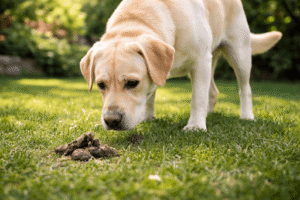
There is usually not just one reason why dogs eat feces. In many cases, several different factors can influence this behavior. Every dog is different, and things like their diet, health, environment, and daily routine can all play a role. Some dogs may start eating feces out of curiosity or natural instinct, while others may do it because of diet problems, health issues, or even stress.
Experts generally divide the causes of this behavior into four main groups: instinctive habits, diet-related issues, medical conditions, and behavioral factors. Understanding these possible reasons can help dog owners figure out why their dog is doing this and what steps they can take to stop it. Common reasons include:
- Instinctive scavenging behavior
- Poor nutrition or an unbalanced diet
- Certain medical conditions
- Boredom or stress
By understanding these possible causes, pet owners can take the right steps to manage the problem and help their dog develop healthier habits.
Instinctive Behavior
Dogs originally came from wild animals that had to search for food in order to survive. In the wild, animals often ate whatever they could find, and sometimes that even included feces. Because of this history, some of these natural survival instincts can still be seen in dogs today.
Even though pet dogs now get regular meals from their owners, a few of their old scavenging habits may still remain. Dogs are naturally curious and they like to explore their surroundings using their nose. If they smell something unusual or strong, they may investigate it, and in some cases this can lead to eating feces. Possible instinct-related triggers include:
- Curiosity about strong smells
- Natural scavenging habits
- Exploratory behavior in young dogs
Nutritional Deficiencies
In some situations, a dog’s diet may contribute to poop-eating behavior. If the food a dog eats does not provide adequate nutrients, the dog might attempt to obtain missing nutrients by consuming feces. Diet-related factors can include:
- Low-quality dog food
- Insufficient protein content
- Poor digestion or nutrient absorption
- Lack of certain vitamins or minerals
Providing a balanced and nutritionally complete diet may reduce the chances of this behavior developing.
Medical Causes
Occasionally, eating feces may be connected to an underlying health issue. Certain medical conditions can increase appetite or interfere with the body’s ability to absorb nutrients properly. Examples of possible medical causes include:
- Intestinal parasites
- Digestive disorders
- Pancreatic problems
- Metabolic conditions
If your dog suddenly starts eating poop or shows other unusual symptoms, consulting a veterinarian is recommended.
Behavioral Causes
Many cases of poop-eating behavior are linked to environmental or psychological factors rather than physical illness. Dogs that do not receive enough stimulation or exercise may develop unusual habits. Stressful situations can also influence behavior. Behavioral triggers may include:
- Sudden increase in poop-eating behavior
- Unexplained weight loss
- Vomiting or diarrhea
- Noticeable changes in appetite or energy levels
Multi-Dog Household Considerations
In households with more than one dog, poop-eating may occur more frequently. Dogs may eat each other’s feces out of curiosity, competition, or habit. To prevent this:
- Supervise all dogs when outside.
- Clean up feces immediately to remove temptation.
- Reinforce training commands like “leave it” with every dog consistently.
This helps maintain a clean environment and prevents the behavior from spreading between dogs.
Is It Dangerous for Dogs to Eat Poop?
In some cases, dogs may eat feces out of curiosity, and it might not immediately cause serious harm. However, this behavior can still create health risks for your dog. Feces can carry bacteria, parasites, or other harmful organisms that may affect your dog’s digestive system and overall health.
When a dog eats feces regularly, the chances of picking up infections or stomach problems can increase. For this reason, veterinarians usually recommend discouraging this habit and taking steps to prevent it. Possible dangers include:
- Exposure to harmful bacteria
- Ingestion of intestinal parasites
- Stomach upset or digestive discomfort
Because of these potential risks, it is best for pet owners to prevent this behavior whenever possible and keep their dog’s environment clean.
How to Stop Your Dog From Eating Poop
The good news is that there are simple steps you can take to help your dog stop this habit. With a little patience and consistency, most dogs can learn to avoid eating feces. Some effective ways to prevent this behavior include:
- Cleaning up poop from your yard or garden right away
- Keeping an eye on your dog when they are outside
- Teaching commands like “leave it” to redirect their attention
- Giving your dog regular exercise and fun mental activities
Following these steps reduces the chances your dog will get access to feces and helps them focus on healthier habits instead.
Step-by-Step Training to Stop Coprophagia:
- When your dog approaches feces, calmly say “leave it” in a firm voice.
- Redirect your dog’s attention immediately to a toy, treat, or engaging activity.
- Praise and reward your dog when it follows the command correctly.
- Repeat this consistently every time your dog is outside or near feces.
- Over time, gradually reduce supervision as your dog learns to avoid eating feces on its own.
This method reinforces positive behavior and helps your dog learn healthier habits.
Products or Supplements
Some owners may consider products or supplements to help reduce poop-eating behavior:
- Taste deterrent products can make feces unappealing to dogs.
- Digestive enzyme supplements may help dogs absorb nutrients better, reducing dietary triggers.
- Always consult your veterinarian before giving any supplements to ensure they are safe and appropriate for your dog.
Using these products alongside training and hygiene measures can improve results.
When Should You Consult a Veterinarian?
Although some dogs occasionally experiment with eating feces, frequent or persistent behavior may require professional attention. You should consider contacting a veterinarian if your dog shows signs such as:
- Sudden increase in poop-eating behavior
- Unexplained weight loss
- Vomiting or diarrhea
- Noticeable changes in appetite or energy levels
A veterinarian can perform tests to determine whether parasites or other health problems are present.
Conclusion
Seeing your dog eat feces can be unpleasant, but the behavior is not as rare as many people believe. Known scientifically as Coprophagia, this habit may occur because of instinct, diet, health issues, or environmental factors.
In most cases, the behavior can be managed with proper training, a balanced diet, regular exercise, and good hygiene practices. By identifying the underlying cause and responding appropriately, dog owners can help their pets develop healthier habits and maintain better overall well-being.
Why does my dog eat its own poop?
Dogs may eat their own poop for several reasons. Sometimes it’s instinctive, inherited from wild ancestors who scavenged to survive. Other times, poor diet, boredom, stress, or health problems may play a role. Understanding the cause helps you address the behavior effectively.
Is it harmful if my dog eats poop occasionally?
Occasional poop-eating may not always cause serious harm, but it can expose your dog to bacteria, parasites, and other germs. Repeated behavior increases the risk of stomach upset, diarrhea, or infections. Prevention and supervision are the safest ways to protect your dog’s health.
How can I stop my dog from eating poop?
You can stop this habit by combining training, hygiene, and mental stimulation. Clean up feces immediately, supervise your dog outdoors, and teach commands like “leave it.” Regular exercise and puzzle toys also help redirect their attention to positive activities.
Could medical issues cause my dog to eat feces?
Yes, certain medical problems can trigger this behavior. Parasites, digestive disorders, or nutrient absorption issues may make dogs seek extra nutrients from feces. A veterinarian can examine your dog, perform tests, and recommend treatment if a health issue is involved.
Do puppies eat poop for different reasons than adult dogs?
Puppies explore the world with their mouths, so eating feces is often a normal form of curiosity. Adult dogs usually eat poop due to diet deficiencies, stress, boredom, or learned habits. Identifying the cause helps choose the right prevention approach for each age group.
Can diet affect poop-eating behavior in dogs?
Yes, poor nutrition can be a major factor. Dogs may eat feces if their food lacks protein, vitamins, or other nutrients. Feeding a balanced, high-quality diet can reduce this behavior and improve overall health.
Is coprophagia more common in certain dog breeds?
Some breeds may be more prone to this behavior due to their natural curiosity or energy levels. Small breeds, active dogs, and working breeds can sometimes show it more frequently. However, any dog, regardless of breed, can develop this habit if other factors are present.
Does stress or anxiety cause dogs to eat poop?
Yes, stress and anxiety can trigger poop-eating behavior. Dogs left alone for long periods, or those exposed to loud noises or changes in routine, may develop unusual habits like coprophagia. Addressing stress and providing a calm environment can help prevent it.
Can neutering or spaying prevent poop-eating?
Neutering or spaying does not directly prevent poop-eating. However, it may reduce some hormone-driven behaviors or anxiety in certain dogs, which could indirectly help. Training, diet, and supervision remain the most effective prevention methods.
How can I keep my dog from accessing poop outside?
Always clean your yard or walking areas immediately after your dog defecates. Using a leash during walks, supervising playtime, and teaching commands like “leave it” are key strategies. Keeping your dog distracted with toys or exercise also helps.
When should I see a veterinarian about poop-eating?
Contact a veterinarian if the behavior is sudden, frequent, or accompanied by other symptoms like vomiting, diarrhea, weight loss, or lethargy. A vet can rule out medical issues such as parasites, digestive disorders, or nutrient deficiencies.
Are there safe ways to discourage poop-eating at home?
Yes, simple home strategies can help. Clean feces immediately, redirect your dog with toys or treats, use positive reinforcement for good behavior, and ensure they get enough exercise and mental stimulation. Consistency is key to success.