
Chihuahuas are tiny dogs with personalities that far exceed their size. Known for their intelligence, loyalty, and spirited temperament, these dogs have become beloved companions in the United States. Choosing the right Chihuahua requires understanding their two main types, Apple Head and Deer Head, because differences in head shape, body structure, temperament, and overall Chihuahua care needs affect lifestyle compatibility.
The Apple Head Chihuahua is iconic for its rounded skull and expressive eyes, often pictured in media and advertising. The Deer Head Chihuahua, in contrast, retains a more elongated, athletic head and body, reflecting its ancestral roots. These differences influence everything from daily activity levels to health considerations. This guide covers history, traits, care, health, training, and decision-making tips to help you make a confident, informed choice.
History And Origin
The Chihuahua traces its roots to ancient Mexico, descending from the Techichi, a small companion dog kept by the Toltecs around 1000 AD. Techichis were valued for companionship and spiritual purposes, often believed to guide the souls of the deceased. Artifacts and Aztec records depict these dogs alongside their owners, highlighting their importance in Mesoamerican culture (Smith, Dogs of Ancient Mexico, 2018).
Over centuries, the Techichi mixed with small breeds introduced by European settlers, gradually evolving into the modern Chihuahua. In the 19th and early 20th centuries, American breeders standardized the Apple Head for shows, while preserving the Deer Head for its more natural, agile build. Today, both types are recognized in the US, each with unique features and appeal.
Physical Traits And Appearance
| Feature | Apple Head Chihuahua | Deer Head Chihuahua |
| Skull / Head Shape | Rounded skull, pronounced stop | Longer skull, gently sloped forehead |
| Eyes | Large, expressive, slightly protruding | Almond-shaped, proportionate, set wider |
| Ears | Medium to large, upright, rounded at tips | Large, upright, slightly more pointed |
| Muzzle / Nose | Short, “button nose” | Longer, narrower, more refined |
| Body Structure | Compact, stocky, shorter legs | Leaner, taller, longer legs, more athletic |
| Coat / Texture | Short or long hair, variety of colors; classic Chihuahua look | Short or long hair, variety of colors; sleek and agile appearance |
| Tail | Curled over back or slightly curved | Often carried in a gentle curve, less curl |
| Size / Weight | Typically 3–6 lbs | Typically 4–8 lbs, slightly taller |
| Energy & Agility | Moderate energy, suited for indoor living | Higher energy, more active and agile, enjoys outdoor activity |
| Impact on Health | Larger eyes may be prone to injuries; dental care important | Leaner body may require joint care; fewer eye/dental issues |
Temperament And Personality
Chihuahuas are small dogs with big personalities, and their temperament varies depending on whether they are Apple Head or Deer Head types. These personality differences influence how they bond with family members, interact with other pets, and fit into daily household routines. Knowing these traits helps prospective owners choose a Chihuahua that matches their lifestyle.
Overview:
- Apple Head: Loyal, moderately energetic, often forms close bonds with one or two family members. Prefers calmer environments and enjoys indoor activities.
- Deer Head: Playful, curious, sociable, and energetic. Enjoys interactive play, exploration, and daily activity.
Apple Heads generally thrive in quieter homes, enjoying lap time and indoor play.
Deer Heads, with their higher energy, often benefit from structured routines that help reduce anxiety and improve overall Chihuahua temperament. Both types respond well to behavioral training, positive reinforcement, and consistent routines, especially when managing common Chihuahua behavior traits like barking, attachment, and stubbornness. which help manage energy, reduce unwanted behaviors, and foster a confident, well-adjusted companion.
Health And Lifespan
Chihuahuas are generally healthy small dogs, but their head type and body structure can influence certain health risks. Understanding type-specific vulnerabilities helps owners provide proper care and maximize lifespan.With proper nutrition, exercise, and routine veterinary care, both types can enjoy long lifespans while avoiding many common Chihuahua health problems.
Apple Head:
Apple Head Chihuahuas have a short muzzle and large, prominent eyes, which makes them prone to certain health concerns. These dogs often require extra attention to prevent injuries and maintain oral health.
- Prone to eye injuries and infections due to large, protruding eyes
- Higher risk of dental problems because of smaller jaw and crowded teeth
- Occasional breathing issues from shorter muzzle
Deer Head:
Deer Head Chihuahuas generally have a healthier head structure, but their leaner build and longer legs can create different vulnerabilities.
- Slightly more prone to joint strain or leg injuries
- Requires careful handling to prevent overexertion or falls
- Usually fewer dental or eye concerns compared to Apple Heads
Common Issues for Both Types:
Both Apple Head and Deer Head Chihuahuas can experience certain health issues common to the breed, including knee problems, low blood sugar in puppies, and minor cardiovascular concerns. With routine veterinary care, a balanced diet, and daily exercise, these small dogs can live healthy lives between 12 and 20 years. Paying attention to their specific vulnerabilities ensures your Chihuahua remains happy, active, and thriving.
Nutrition and Feeding
Proper nutrition is essential for Chihuahuas, and following a balanced Chihuahua feeding routine helps support healthy growth, energy, and coat condition. Feeding the right diet supports healthy growth, maintains energy levels, and reduces risks of obesity and other health problems. Puppies and adults have slightly different needs, so understanding type-specific requirements ensures your Chihuahua thrives.
Essentials:
- High-quality small-breed dog food, divided into two daily meals
- Deer Heads may benefit from slightly higher protein to support lean muscle development
- Avoid table scraps, human snacks, and overfeeding to prevent obesity
- Puppies require smaller, more frequent meals to maintain stable blood sugar
Choosing the best food for Chihuahua breeds can support dental health, digestion, and long-term energy levels. Both Apple Head and Deer Head Chihuahuas thrive on nutrient-rich diets formulated for small breeds.
Products and Supplies:
- Use small-breed kibble or specially formulated wet food for Chihuahuas
- Dental chews or supplements help prevent oral issues, especially in Apple Heads
- Fresh water should always be available, and avoid foods with artificial additives
- Treats should be low-calorie and given sparingly, focusing on training rewards
Care and Grooming
Regular Chihuahua grooming helps maintain coat health, comfort, and overall well-being in both Apple Head and Deer Head Chihuahuas. Proper routines not only prevent physical issues but also help reduce stress and behavioral problems. Even though they are small dogs, neglecting these areas can lead to discomfort, medical problems, and unwanted behaviors.
Care
Daily care focuses on health maintenance, hygiene, and environmental enrichment. Providing a safe, stimulating environment, balanced diet, and routine check-ups ensures your Chihuahua stays happy and healthy. Regular teeth cleaning, ear inspections, and nail trims are part of this essential daily routine. Paying attention to these aspects helps prevent long-term health issues and supports a better quality of life.
Grooming
Grooming needs depend on coat type and head type, but all Chihuahuas benefit from some routine attention:
- Weekly brushing helps control loose fur and supports healthier Chihuahua coat care in long-haired Apple Head Chihuahuas.
- Deer Head (short-haired): Minimal brushing is required, but occasional grooming helps keep the coat smooth and clean.
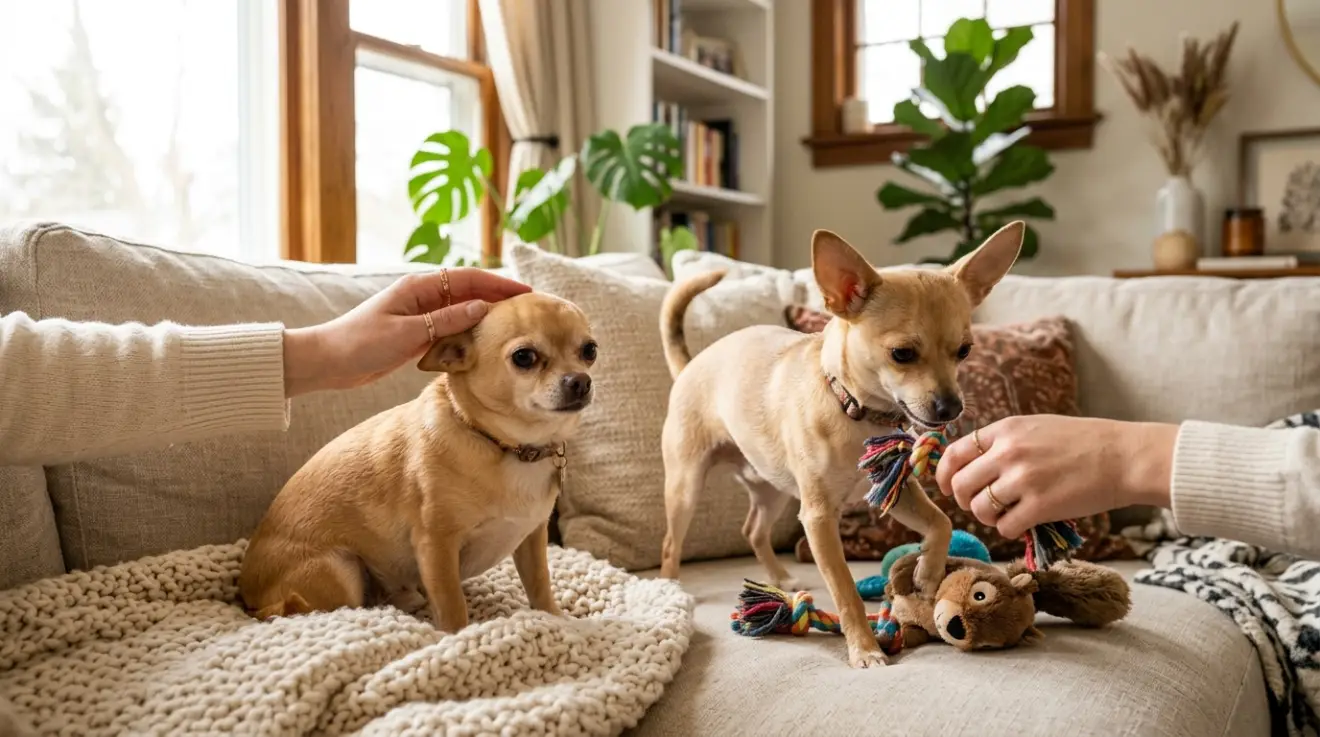
Routine grooming also offers opportunities to check for skin issues, parasites, or injuries. Incorporating safe toys and short play sessions during grooming or care routines can make the experience more enjoyable and reinforce positive habits.
Training and Socialization
Training and socialization are crucial for Chihuahuas to develop confidence, good manners, and a balanced temperament. While they are intelligent and eager to please, their small size and spirited personality require consistent, positive guidance from an early age. Proper training helps prevent behavior problems and fosters a well-adjusted, sociable companion.
Apple Head
Apple Head Chihuahuas respond particularly well to structured routines. They enjoy predictability, which helps reduce anxiety and encourages obedience. Positive reinforcement, such as treats, praise, and gentle encouragement, works best. Early exposure to new people, pets, and environments ensures they grow into confident and friendly adults.
Deer Head
Deer Head Chihuahuas are naturally curious and energetic, so consistent guidance is key. They can be slightly more independent than Apple Heads and may test boundaries if training is inconsistent. Regular socialization, interactive play, and short, engaging training sessions help harness their energy and develop focus.
Overall
Both types benefit from crate training, potty training, and positive reinforcement methods. Introducing new experiences gradually and consistently helps prevent fearfulness or excessive barking. Well-structured socialization and training provide a strong foundation for lifelong behavioral stability and a happy, confident dog.
Exercise and Activity Needs
Chihuahuas require regular exercise to stay healthy, happy, and mentally stimulated. While their small size may suggest minimal activity needs, both Apple Head and Deer Head Chihuahuas benefit from daily movement and interactive play. Properly tailored exercise helps prevent boredom, supports physical health, and encourages positive behavior.
Activity Requirements:
- Apple Heads: Moderate exercise is sufficient; short walks and indoor play sessions usually meet their needs.
- Deer Heads usually require more activity and mental stimulation, especially compared to lower-energy Chihuahua personality traits.
- Both Types: Puzzle toys, gentle fetch, and short agility activities provide both mental and physical stimulation, keeping them engaged and healthy.
Tailoring exercise to each Chihuahua type ensures they remain happy, fit, and well-behaved, while also strengthening the bond between dog and owner.
Cost and Adoption Considerations
Initial pricing, breeder reputation, and long-term expenses vary considerably in this detailed Chihuahua cost and buying guide. Deer Head Chihuahuas are often slightly more expensive, with show-quality dogs reaching $1,200 to $3,500. Beyond the initial purchase, routine veterinary care in the United States usually costs between $200 and $500 per year, while food and supplies can range from $30 to $60 per month.
Adopting from reputable rescues is another option that can be more cost-effective. Rescue dogs often come with basic vaccinations, health checks, and socialization, ensuring they are ready to become part of your home while saving you some upfront costs. Considering both purchase and ongoing care expenses helps prospective owners plan responsibly for a Chihuahua’s long-term well-being.
Decision Checklist
| Factor | Apple Head | Deer Head |
| Living Space | Apartments, quiet homes | Active households, yards optional |
| Energy Level | Moderate, indoor play sufficient | High; requires daily activity |
| Training Needs | Routine and structure | Consistent positive reinforcement |
| Health Monitoring | Eyes and dental | Joints and leg care |
| Family Compatibility | Gentle with children | Tolerant of active children |
| Appearance Preference | Classic, rounded look | Lean, athletic profile |
FAQs
Are Apple Head and Deer Head Chihuahuas the same breed?
Yes, both types belong to the same Chihuahua breed, but they differ in head shape, body structure, and subtle temperament traits. Apple Head Chihuahuas have a rounded skull with large, expressive eyes and a compact build, whereas Deer Head Chihuahuas have a longer, more tapered head, longer legs, and an athletic frame. While these differences influence care, energy levels, and exercise needs, both share core breed traits such as loyalty, intelligence, and long lifespan.
Which type is better suited for apartment living?
Apple Head Chihuahuas are generally more adaptable to smaller living spaces like apartments due to their moderate energy levels and lapdog tendencies. They enjoy indoor play and are often calmer indoors. Deer Head Chihuahuas can live in apartments, but they require daily walks and mental stimulation to stay happy. Without adequate exercise, Deer Heads may develop boredom-related behaviors like excessive barking or restlessness.
How do I choose between Apple Head and Deer Head based on personality?
Personality differences are subtle but important. Apple Heads tend to form deep bonds with one or two family members and may be more cautious around strangers. Deer Heads are usually more playful, curious, and social, often enjoying interaction with multiple people or pets. Your choice should reflect your household routines, activity level, and the kind of companionship you want from your dog.
Are there health concerns unique to each type?
Yes, type-specific vulnerabilities exist. Apple Heads, with their prominent eyes and shorter muzzles, are more prone to eye injuries, tear staining, and dental problems. Deer Heads generally have fewer eye and dental issues but may be susceptible to joint strain due to their longer legs and leaner body. Both types require regular vet visits, dental care, and type-specific monitoring to ensure long-term health.
Do Apple Head or Deer Head Chihuahuas require special diets?
Both types benefit from high-quality small-breed dog food, but Deer Heads may require slightly higher protein levels to maintain their lean muscle mass and support their more active lifestyle. Puppies of both types need smaller, frequent meals to stabilize blood sugar. Avoiding table scraps and overfeeding is essential, as even small Chihuahuas can gain weight quickly, which can exacerbate joint and heart issues.
Which type is easier to train and socialize?
Both respond well to positive reinforcement, but there are nuances. Apple Heads often benefit from structured routines and consistent commands, while Deer Heads are highly curious and energetic, requiring more interactive, consistent guidance. Early socialization with other pets, children, and new environments is critical for both types to prevent fearfulness or overprotectiveness.
How long do Apple Head and Deer Head Chihuahuas typically live?
With proper care, both types have a long lifespan of approximately 12–20 years. Maintaining routine veterinary check-ups, a balanced diet, regular exercise, and type-specific attention to vulnerabilities like dental health for Apple Heads or joint support for Deer Heads ensures they remain healthy, active, and happy throughout their lives.
Conclusion
Choosing between Apple Head and Deer Head Chihuahuas depends on lifestyle, home environment, and personal preference. Apple Heads excel as loyal, indoor companions, while Deer Heads provide playfulness, agility, and a connection to the breed’s ancestral roots. With proper care, training, and attention to type-specific needs, both can become beloved family members in the United States, offering years of companionship, charm, and loyalty.