
Chihuahuas are tiny, spirited companions, but even small dogs come with their share of hair on your clothes, couch, and car seats. If you’ve ever asked, “Do Chihuahuas shed a lot?” or noticed more hair than usual, understanding their coat, grooming needs, and Chihuahua shedding patterns is essential.
Shedding is a natural process influenced by genetics, diet, seasonal changes, and overall health. While Chihuahuas are considered light to moderate shedders compared to larger breeds, proper care ensures their coat stays healthy and your home stays relatively hair-free. In this guide, we’ll explore everything from coat types to medical reasons for excessive shedding and expert tips on managing it.
Do Chihuahuas Shed?
Yes — Chihuahuas shed. Every dog sheds to some extent, and Chihuahuas are no exception. However, their shedding is usually light to moderate and much easier to manage with proper Chihuahua coat care like Huskies or Golden Retrievers.
Their small size makes even visible shedding less overwhelming, but factors like diet, stress, seasonal changes, and underlying health issues can influence how much hair your Chihuahua loses.
Chihuahua Coat Types and Shedding Differences
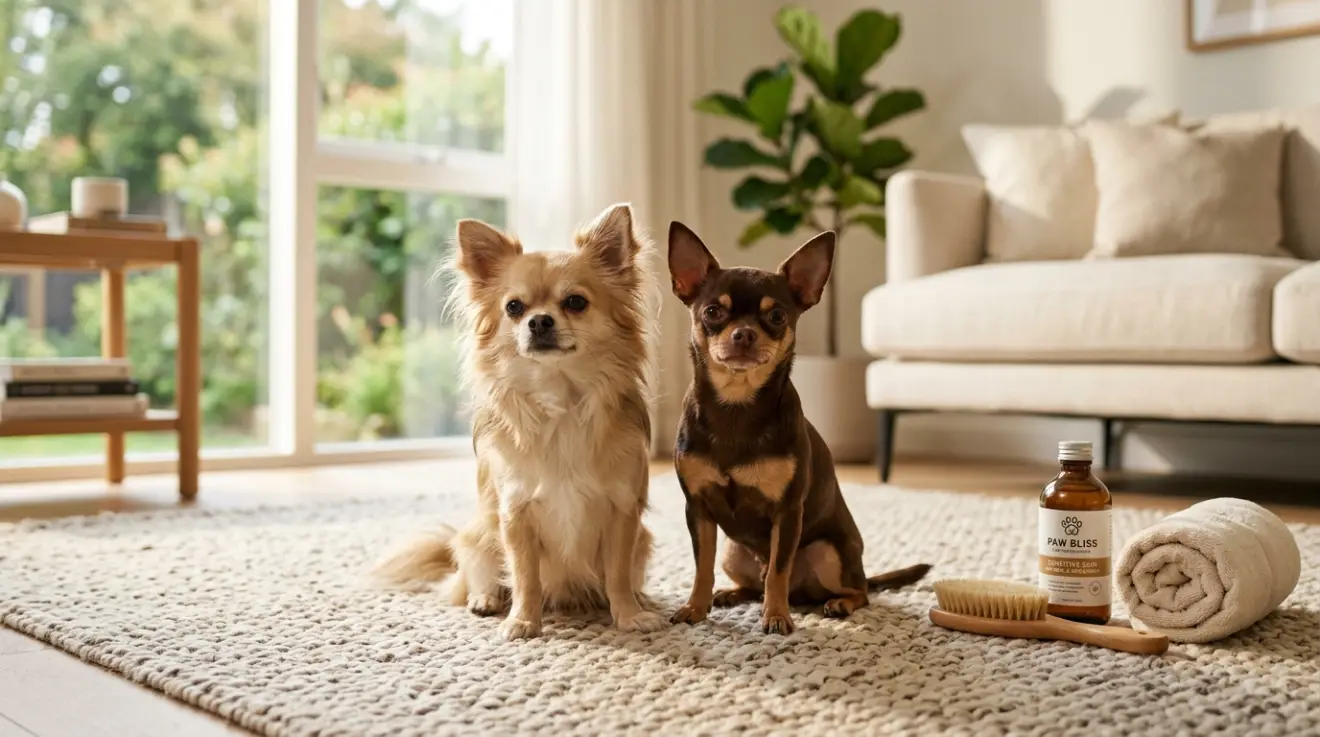
Chihuahuas come in two main coat types, each with distinct shedding patterns and grooming needs. Understanding the differences between these coats helps owners manage shedding through consistent Chihuahua grooming and coat maintenance.
Smooth Coat
Smooth-coated Chihuahuas have short, sleek fur that lies close to the body, giving them a polished and low-profile appearance. Their hair sheds consistently throughout the year, but because it is fine, it may stick to clothing, upholstery, and bedding. Grooming is straightforward — a quick brush once or twice a week is usually sufficient to remove loose hairs, distribute natural oils, and keep the skin healthy. Regular brushing also helps reduce loose fur around the house and supports healthier Chihuahua skin and coat health.
Long Coat
Long-haired Chihuahuas have soft, sometimes slightly wavy fur with feathers along the ears, tail, and legs, giving them a more elegant and fluffy look. They shed roughly the same amount as smooth-coated Chihuahuas, but longer strands are more noticeable and can accumulate around the home. Long-haired Chihuahuas require more frequent grooming routines to prevent tangles and reduce visible shedding.
The Biological Foundation of Chihuahua Coat and Shedding
A Chihuahua’s shedding pattern is deeply tied to its biology, genetics, and hair follicle function. Hair is produced by follicles in the skin, which are influenced by hormones, nutrition, and seasonal changes. Each follicle undergoes a growth cycle that determines when hair grows, rests, and eventually falls out. Understanding this process helps owners distinguish between normal shedding and potential health issues.
The Canine Hair Growth Cycle
Understanding Chihuahua shedding starts with understanding how their coat grows. Like all dogs, Chihuahuas have a hair growth cycle consisting of three main phases: the anagen phase (active growth), the catagen phase (transition), and the telogen phase (resting and shedding). When hairs enter the telogen phase, they naturally fall out to make room for new growth.
This cycle is continuous, meaning some hairs are always growing while others are naturally shedding. Seasonal changes, hormones, and health conditions can influence how many hairs enter the shedding phase at one time.
Why Chihuahuas Shed
Shedding is natural, but understanding why it happens can help you care for your pet better.
Seasonal Changes
Chihuahuas often shed more in spring and fall. Seasonal moulting helps adjust their coat thickness to changing temperatures, even for indoor dogs exposed to artificial light.
Diet and Nutrition
Diet plays a direct role in the quality, strength, and appearance of a Chihuahua’s coat. Because Chihuahuas are small breeds with fast metabolisms, even minor nutritional imbalances can quickly show up in their skin and fur. A balanced Chihuahua feeding routine supports healthy hair follicles, skin function, and coat quality.
Poor-quality food, inconsistent feeding, or sudden dietary changes can disrupt coat health. Dogs fed diets lacking essential nutrients often develop dry skin, dull fur, increased hair breakage, or excessive shedding. Ensuring your Chihuahua receives consistent, nutrient-dense meals helps maintain steady hair growth cycles and reduces shedding caused by internal deficiencies rather than natural seasonal changes.
The Science Behind Nutrition and Coat Health
Hair is primarily made of keratin, a protein structure that depends on adequate dietary protein intake. Small breeds like Chihuahuas typically require diets containing approximately 22–30% high-quality animal protein for maintenance of healthy skin and coat.
Essential fatty acids, particularly omega-3 and omega-6, play a critical role in maintaining the skin barrier and reducing inflammation. Omega-3 fatty acids help modulate inflammatory pathways in the skin, while omega-6 fatty acids support normal cell membrane structure and hair follicle function. Deficiencies can lead to dry, brittle hair, increased shedding, and flaky skin.
Micronutrients such as zinc and biotin are also important for keratin production and follicle strength. Inadequate levels may contribute to thinning coats and delayed hair regrowth. Choosing the best food for Chihuahua breeds can help reduce unnecessary shedding caused by nutritional imbalance.
A poor diet lacking in omega-3 and omega-6 fatty acids, protein, or vitamins can lead to dry skin and increased shedding. High-quality dog food with essential fatty acids supports healthy skin and hair growth.
Stress or Environmental Changes
Moving, loud noises, or the addition of new pets can trigger temporary hair loss. Stress-related shedding is common in sensitive dogs with anxious Chihuahua behavior patterns.
Medical Conditions
Excessive shedding or bald patches may indicate underlying issues, such as hypothyroidism, hormonal imbalances, skin infections, or parasites. Excessive shedding combined with skin irritation may be linked to underlying Chihuahua health problems.
Allergies
Environmental allergens, including dust, pollen, or certain cleaning products, can cause itching and hair loss. Food allergies may also contribute to poor coat quality.
Medical and Hormonal Causes of Excessive Shedding
When shedding becomes abnormal, the cause is often biological rather than cosmetic. For example, hypothyroidism occurs when the thyroid gland does not produce enough thyroid hormones, which regulate metabolism and hair follicle cycling. When thyroid hormone levels drop, hair follicles prematurely enter the resting phase, leading to thinning coats, symmetrical hair loss, and sometimes weight gain or lethargy.
Stress-induced shedding is linked to cortisol, the body’s primary stress hormone. Elevated cortisol levels can disrupt normal hair growth cycles, pushing more hairs into the shedding phase simultaneously. This type of shedding is usually temporary but can become chronic if environmental stress continues.
Skin infections and parasites such as mites or fleas trigger inflammation in the skin. Inflammatory responses damage hair follicles and weaken the skin barrier, leading to hair breakage and patchy loss. Allergies—whether environmental or food-related—also activate immune pathways that cause itching, scratching, and secondary hair loss due to trauma to the skin.
Puppy Coat Transition
Chihuahua puppies naturally shed their soft baby coats as adult fur grows in. This process is temporary but can result in noticeable shedding.
Recognizing Normal vs Excessive Shedding
Understanding what’s normal helps prevent unnecessary worry:
Normal Shedding
Normal Chihuahua shedding is a natural process that occurs year-round, though the amount is generally light to moderate. Most owners will notice small amounts of hair on furniture, clothing, or bedding each day. Seasonal changes, particularly in spring and fall, can cause a slight increase in shedding as your Chihuahua adjusts its coat to the changing temperatures and daylight hours. Healthy dogs experiencing normal shedding will have no bald patches, and their skin should appear smooth, free of redness or irritation. Maintaining a regular grooming routine, including brushing and occasional bathing, supports coat health and helps manage the hair that naturally comes loose.
Excessive Shedding
Excessive shedding goes beyond what is considered typical and may signal an underlying health issue. Warning signs include sudden or significant hair loss, patchy bald spots, or areas of red, irritated, or flaky skin. Dogs may also show behavioral changes such as lethargy, increased scratching, or signs of discomfort. If you observe these symptoms, it is important to consult a veterinarian promptly. In the United States, a basic veterinary exam typically costs between $60 and $120, depending on your location. Addressing excessive shedding early can prevent more serious skin conditions and ensure your Chihuahua remains healthy and comfortable.
How Veterinarians Diagnose Excessive Shedding
When a Chihuahua presents with abnormal hair loss, a veterinarian begins with a comprehensive physical examination. Skin scraping may be performed to check for mites or parasites, while cytology tests examine skin cells under a microscope for infection.
If hormonal imbalance is suspected, blood panels and thyroid function tests are commonly recommended. These tests evaluate hormone levels and detect metabolic abnormalities. In cases of suspected allergies, elimination diets or allergy testing may be discussed. By identifying the root cause rather than treating symptoms alone, veterinarians can create targeted treatment plans that restore both skin and coat health.
When to See a Veterinarian Immediately
While mild seasonal shedding is normal, certain signs require prompt veterinary attention. Rapid hair loss over days or weeks, bald patches with red or oozing skin, thickened or darkened skin areas, persistent scratching, or noticeable behavioral changes such as lethargy should not be ignored. These symptoms may indicate hormonal disorders, parasitic infestations, fungal infections, or allergic dermatitis.
If left untreated, some conditions can progress from cosmetic hair thinning to painful skin infections. Early evaluation allows veterinarians to intervene before complications develop.
Grooming Tips to Control Shedding
Managing Chihuahua shedding is straightforward with a consistent routine:
Brushing
Regular brushing is one of the most effective parts of a healthy Chihuahua grooming routine. For smooth-coated Chihuahuas, brushing once or twice per week using a rubber grooming mitt is sufficient to remove loose hairs before they spread around your home. Long-haired Chihuahuas require more frequent brushing, ideally three to four times per week, using a pin brush or slicker brush. Brushing not only helps control shedding but also stimulates the distribution of natural oils across the coat, which keeps the skin healthy, the fur shiny, and reduces tangles or matting in longer coats.
Bathing
Bathing your Chihuahua should be done every four to six weeks using a gentle, dog-specific shampoo formulated for sensitive skin. Overbathing can strip the skin of its natural oils, leading to dryness, irritation, and in some cases, increased hair loss. Proper bathing techniques, combined with regular brushing, help maintain coat health, minimize shedding, and keep your dog smelling fresh without compromising skin condition.
Nutrition
Nutrition plays a critical role in maintaining a healthy coat and controlling shedding. Feeding a balanced diet that is rich in high-quality animal protein, essential fatty acids such as omega-3 and omega-6, and vital vitamins and minerals supports strong hair growth and healthy skin. Fish oil supplementation can provide additional benefits for coat quality, though it is important to consult a veterinarian for the correct dosage to ensure it is safe and effective for your individual Chihuahua. A well-nourished dog will have a softer, shinier coat and shed less excessively.
Coat Health Expectations
A healthy Chihuahua coat should be soft, shiny, and evenly distributed across the body, free from flakes or bald spots. Long-haired Chihuahuas may take two to three years to fully develop their feathering, so some variation in length and fullness is normal during this period. For puppies, thinner or sparse areas in the coat are typical until the adult fur fully grows in, and this gradual development should not be a cause for concern as long as the skin remains healthy.
Allergy Considerations
No Chihuahua is truly hypoallergenic. All dogs produce dander, saliva, and urine proteins. However, smaller size means lower overall allergen output, potentially easing mild allergy symptoms.
Living with a Shedding Chihuahua
Different Chihuahua personality traits can also influence how well they adapt to apartments, family homes, or quieter environments. Managing their shedding can be straightforward with a few practical strategies. Regularly washing bedding, using washable couch covers, keeping lint rollers handy, and vacuuming consistently help keep loose hairs under control. With this routine care, Chihuahua shedding remains manageable, making it easy to maintain a clean and comfortable home.
Common Mistakes Owners Make
- Overbathing
- Using harsh shampoos
- Skipping regular brushing
- Assuming all shedding signals illness
- Following a consistent grooming routine prevents most common issues
FAQs
Do Chihuahuas shed year-round?
Yes, Chihuahuas shed lightly throughout the year. While shedding is generally manageable, you may notice slight increases during spring and fall when they undergo seasonal moulting. Regular brushing helps keep loose hair under control and prevents it from accumulating on furniture and clothing. Monitoring seasonal patterns can help you distinguish normal shedding from potential health issues.
Do long-haired Chihuahuas shed more than short-haired ones?
Not necessarily in volume, but long-haired Chihuahuas’ shedding is more noticeable due to longer strands. Their hair can tangle and collect around the home if not brushed regularly. Smooth-coated Chihuahuas shed steadily but are easier to maintain. Understanding your dog’s coat type helps tailor your grooming routine effectively.
Why is my Chihuahua shedding excessively?
Excessive shedding can occur due to stress, changes in diet, environmental factors, or seasonal shifts. Skin allergies, parasites, or underlying health conditions can also contribute. Check for bald spots, redness, or irritation, as these may indicate a medical issue. Consulting a veterinarian ensures your Chihuahua’s shedding is healthy and manageable.
Are Chihuahuas hypoallergenic?
No, no dog breed is completely hypoallergenic. Chihuahuas produce dander, saliva, and urine proteins that can trigger allergic reactions. However, their small size generally means lower overall allergen output compared to larger breeds. Regular grooming and maintaining a clean home can help minimize allergen exposure.
Can diet reduce shedding naturally?
Yes, feeding a balanced diet rich in high-quality protein, omega-3 and omega-6 fatty acids, and essential vitamins supports healthy skin and hair retention. Supplements like fish oil may help, but always consult your veterinarian for proper dosing. Good nutrition strengthens the coat from the inside, reducing unnecessary hair loss.
How can grooming help control shedding?
Consistent brushing removes loose hair before it spreads throughout the home and stimulates natural oil production, keeping the coat healthy. Bathing with gentle dog-specific shampoo every 4–6 weeks prevents dryness without increasing shedding. Proper grooming is essential for both smooth and long-haired Chihuahuas to maintain a shiny, manageable coat.
Does stress or environment affect Chihuahua shedding?
Yes, environmental changes, moving homes, loud noises, or new pets can trigger temporary shedding. Indoor conditions, such as heating or air conditioning, may also influence hair loss patterns. Reducing stress and maintaining a stable routine helps keep shedding consistent and manageable.
At what age do Chihuahuas shed the most?
Chihuahua puppies often shed noticeably during the transition from their soft puppy coat to their adult coat, typically between four and eight months of age. This phase can make the coat appear thinner temporarily. Once the adult coat fully develops, shedding usually stabilizes into a predictable pattern.
Does indoor heating or air conditioning affect shedding?
Yes, artificial indoor environments can influence shedding cycles. Constant temperature and artificial lighting may disrupt natural seasonal patterns, causing low-level year-round shedding instead of defined seasonal moulting. Dry indoor air may also contribute to mild skin dryness.
Can spaying or neutering affect coat quality?
Hormonal changes after spaying or neutering can slightly alter coat texture in some dogs. While most Chihuahuas experience no significant change, minor differences in thickness or shedding patterns can occur due to shifts in hormone balance.
Veterinary Recommendations for Chihuahuas
Proper breed-specific care plays an important role in long-term Chihuahua health and grooming. Chihuahuas are a recognized toy breed, officially registered by the American Kennel Club (AKC) in 1904. This recognition established clear standards for their size, coat, and overall appearance, which helps veterinarians and owners understand their specific health and grooming needs. Because of their small size and delicate coat, Chihuahuas benefit from regular check-ups to monitor for skin issues, hormonal imbalances, and nutritional deficiencies that can affect shedding and coat quality.
Veterinarians recommend maintaining a consistent grooming routine, including brushing and occasional bathing, to prevent tangles, distribute natural oils, and control shedding. They also emphasize a balanced diet rich in high-quality protein, essential fatty acids, and vitamins to support healthy skin and hair growth. Regular veterinary exams ensure that any abnormal shedding, bald patches, or skin irritation is evaluated promptly, helping to prevent minor issues from becoming more serious.
By combining an understanding of the breed’s standards with professional veterinary care, owners can ensure their Chihuahuas maintain a healthy, shiny coat while minimizing excessive shedding and related skin problems.
Conclusion
Chihuahua shedding is normal and usually manageable.
Both smooth and long-haired Chihuahuas shed, but proper grooming, nutrition, and consistent coat maintenance make shedding far easier to manage. By understanding the causes, from seasonal moulting to dietary needs, owners can maintain a healthy shiny coat while keeping their homes clean. Consistent care goes a long way in making your Chihuahua a low-drama and enjoyable companion.