
Chihuahuas; are tiny dogs with big personalities, and their behavior can puzzle even experienced owners. Many wonder why Chihuahuas shake; or bark so much, and whether these traits indicate aggression or anxiety. Understanding Chihuahua Behavior and Temperament is essential for anyone who wants a happy, confident companion.
In this guide, we’ll explore the biological and psychological foundations behind their quirks, explain common concerns like shaking;, barking, biting, and anxiety, and provide practical strategies to manage Chihuahua Anxiety effectively. Whether you’re a first-time Chihuahua owner or a seasoned enthusiast, this article offers insights that combine scientific reasoning, breed-specific traits, and actionable tips.
Breed Temperament Foundation
Chihuahuas Shake or Shiver?
One of the most common questions is why Chihuahuas shake;. Shivering can occur for several normal reasons. Small dogs like Chihuahuas have faster metabolisms and lower body fat, so muscle tremors help generate heat when they’re cold. Excitement, stress, or overstimulation can also trigger shaking;, as adrenaline and cortisol flood the nervous system, causing rapid muscle contractions. Mild hypoglycemia is another factor: a sudden drop in blood sugar can lead to tremors, especially in puppies or underfed adults. While occasional shaking; is perfectly normal, persistent or intense trembling may signal anxiety, low blood sugar, or an underlying medical condition. Understanding why Chihuahuas shiver helps owners distinguish harmless behavior from signs that may require veterinary attention.
Barking Tendencies
Do Chihuahuas bark a lot? The answer is yes, but context matters. Chihuahuas were bred to act as alert companions and watchdogs, which makes them naturally vocal. Despite their small size, they have strong protective instincts and often bark at strangers, sudden noises, or changes in their environment. Why do Chihuahuas bark so much? In many cases, excessive barking is linked to boredom, anxiety, or lack of proper socialization. Puppies and younger dogs may also bark during play or to seek attention. Owners can reduce unnecessary noise by providing mental stimulation, consistent training, and gradual exposure to common triggers. Recognizing that barking is a normal part of their personality helps build better understanding between dog and owner.
Aggression And Biting Myths
Many people ask, are Chihuahuas aggressive dogs;? In reality, most aggressive behaviors in Chihuahuas are fear-based. Their small size makes them feel vulnerable in situations that might be trivial to larger dogs, prompting defensive reactions. Do Chihuahuas bite; or does Chihuahua bite;? Yes, they may snap if cornered, startled, or mishandled, but aggression is rarely an inherent trait. Early socialization, gentle handling, and confidence-building exercises significantly reduce fear-based aggression. Understanding this aspect of Chihuahua Behavior and Temperament encourages owners to interpret defensive behaviors as communication rather than malicious intent, fostering safer interactions
Chihuahua Anxiety
Chihuahua Anxiety; is common due to their intense attachment to humans and heightened sensitivity to the environment. Separation anxiety is particularly prevalent, as these dogs can become stressed when left alone. Symptoms include shaking;, excessive barking, pacing, and refusal to eat. Stress hormones like cortisol trigger physiological responses that make their behavior more pronounced. Recognizing early signs of Chihuahua Anxiety; allows owners to intervene with positive reinforcement, gradual desensitization, and predictable routines. Providing a safe, comfortable environment and mental stimulation reduces the frequency and intensity of anxiety-driven behaviors, improving overall wellbeing.
Small Dog Syndrome And Size Impact on Behavior
Chihuahuas may overcompensate for their small size by acting bold, stubborn, or territorial, a phenomenon often referred to as Small Dog Syndrome. This tendency can make owners misinterpret normal defensive behavior as aggression or poor temperament. Understanding this syndrome helps owners see why some Chihuahuas act “bigger than they are” and highlights the importance of boundaries, consistent training, and confidence-building exercises. Proper guidance ensures their natural alertness and spirited personality remain positive traits rather than challenging behaviors.
Intelligence And Learning Capacity
Chihuahuas are highly intelligent dogs with a strong ability to learn commands, routines, and even tricks. However, their intelligence comes with stubbornness at times. Providing mental stimulation through puzzle toys, interactive games, and reward-based training keeps them engaged and reduces problem behaviors. Many behavioral issues arise not from inherent aggression, but from boredom, under-stimulation, or inconsistent guidance. Understanding their cognitive strengths allows owners to harness intelligence for good behavior, rather than frustration.
Life Stage Differences in Chihuahua Behavior
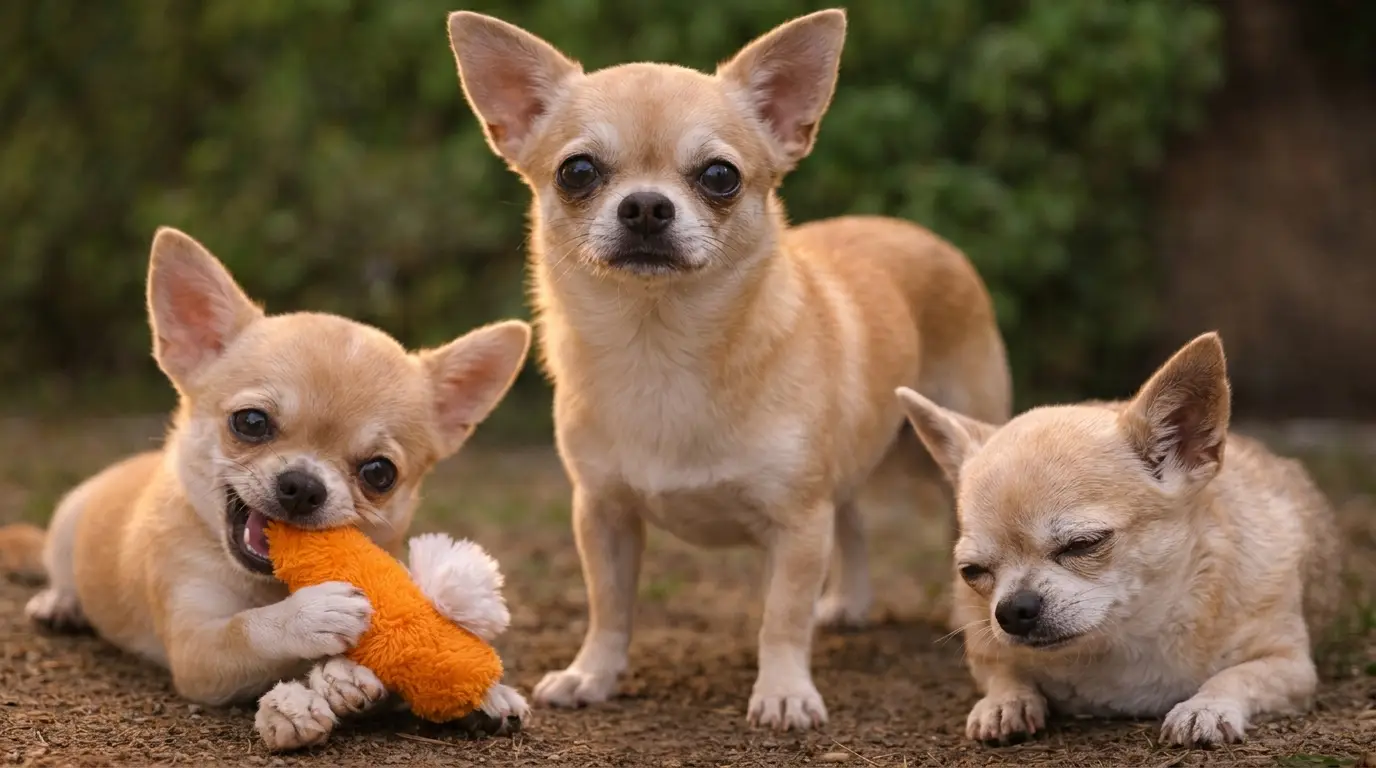
Chihuahuas exhibit different behavior and temperament patterns depending on their life stage.
Puppies (0–12 months): Puppies are naturally energetic, curious, and highly social. They may bark frequently, chew on objects, and shake; during excitement or mild stress. This is also a critical period for socialization and introducing them to different people, environments, and pets reduces fear-based behaviors later.
Adults (1–7 years): Adult Chihuahuas are more confident but may develop strong personality traits such as territoriality, selective barking, or stubbornness. Anxiety may still appear if they lack proper stimulation or consistent routines. Training and mental enrichment are crucial during adulthood to maintain good behavior.
Seniors (7+ years): Senior Chihuahuas may slow down, sleep more, and become more sensitive to cold. Shaking; may increase due to muscle loss, arthritis, or lower body fat. Cognitive decline or age-related anxiety can manifest as restlessness, excessive barking, or clinginess. Gentle exercise, warmth, and patience help support healthy senior behavior.
Understanding these life stage differences allows owners to tailor training, socialization, and care to meet the Chihuahua’s developmental and emotional needs.
Reading Chihuahua Attitude: Good vs Problematic Behavior
Understanding Chihuahua Behavior & Temperament isn’t just about identifying shaking; or barking; it’s about recognizing when your dog is showing healthy, appropriate behavior versus when stress, fear, or overstimulation is influencing them.
Good behavior:
- Calm, responsive, and engaged during play or training
- Polite interaction with family, guests, or other pets
- Following commands without stress or resistance
- Situational barking only (e.g., alerting to someone at the door)
- Shaking; occurs only in normal contexts like excitement or cold
Problematic behavior:
- Excessive shaking;, trembling, or pacing without clear triggers
- Barking or growling in inappropriate contexts
- Aggression or biting is defensive, repeated, or disproportionate
- Signs of anxiety, like hiding, refusing to eat, or over-attaching
- Obsessive behaviors or difficulty calming down
By observing context and attitude, owners can differentiate normal Chihuahua quirks from behaviors indicating stress or health concerns, guiding training and socialization more effectively.
Normal vs Concerning Behavior
It’s crucial to differentiate normal Chihuahua Behavior & Temperament; from red-flag symptoms. Occasional shaking; barking, or mild nervousness is typical, especially in new environments. However, persistent tremors, uncontrollable barking, sudden aggression, or panicked behaviors may indicate medical problems or severe anxiety. Observing patterns, triggers, and intensity over time is essential. Regular veterinary checkups can rule out hypoglycemia, neurological disorders, or pain-related tremors. This understanding ensures owners respond appropriately, whether through training, environmental adjustments, or professional consultation.
Health-Behavior Link
Behavior often reflects health, and in Chihuahuas, subtle signs can indicate underlying medical issues:
- Hypoglycemia: Sudden shaking;, weakness, or disorientation may signal low blood sugar, especially in puppies or underweight dogs. Prompt veterinary evaluation is essential.
- Dental Pain: Difficulty eating, irritability, or avoidance of chewing toys can indicate dental problems, which are common in small breeds.
- Heart or Respiratory Issues: Fatigue, rapid breathing, or fainting spells can affect behavior, including reduced playfulness or increased clinginess.
- Pain or Arthritis: Older Chihuahuas may become more irritable, show aggression when handled, or avoid movement due to discomfort.
By observing changes in behavior, owners can detect health problems early and seek timely veterinary care, ensuring their Chihuahua remains happy and safe.
Practical Owner Action Plan
To manage Chihuahua Behavior & Temperament;, owners should focus on structured socialization, mental stimulation, and confidence-building. Introduce your Chihuahua to new people, pets, and environments gradually, rewarding calm behavior. Consistent routines for feeding, walks, and playtime reduce stress and unpredictability.
Training should emphasize positive reinforcement to encourage desirable behaviors while discouraging excessive barking or biting. For persistent anxiety or aggression, consulting a veterinarian or certified behaviorist; ensures professional guidance. With patience and understanding, Chihuahuas can thrive as affectionate, confident companions while retaining their unique personality.
FAQs
Why are Chihuahuas so shaky?
Shaking can occur due to excitement, cold, stress, or even low blood sugar. Small dogs like Chihuahuas have a faster metabolism and lower body fat, which makes their muscles tremble more easily. Occasional shaking is normal, but persistent tremors may indicate anxiety or a medical condition that requires a vet’s attention.
Why do Chihuahuas shake?
Chihuahuas may shake in response to environmental changes, fear, or overstimulation. Stress hormones such as adrenaline and cortisol trigger rapid muscle contractions, leading to tremors. Monitoring the context and frequency of shaking helps owners distinguish normal behavior from potential health or anxiety issues.
Why do Chihuahuas shiver?
Shivering is often linked to cold sensitivity, excitement, or stress. Because Chihuahuas are small and have less body fat, their bodies naturally tremble to generate heat. Shivering that happens frequently or without obvious triggers should be discussed with a veterinarian to rule out underlying health problems.
Why does a Chihuahua shake?
A Chihuahua may shake when they are anxious, excited, or experiencing low blood sugar. Puppies and older dogs are particularly susceptible. Providing warmth, comfort, and reassurance can often calm normal shaking, but persistent or intense tremors should be evaluated professionally.
Do Chihuahuas bark a lot?
Yes, Chihuahuas are naturally alert and vocal. Their barking is often an expression of their watchdog instincts, signaling anything unusual in their environment. While situational barking is normal, excessive noise can be managed through training, mental stimulation, and consistent routines.
Why do Chihuahuas bark so much?
Excessive barking usually reflects boredom, anxiety, or insufficient socialization. Chihuahuas may bark to communicate fear, excitement, or attention-seeking behavior. Structured training, positive reinforcement, and gradual exposure to new experiences can help reduce unnecessary barking.
Are Chihuahuas aggressive dogs?
Chihuahua aggression is typically fear-based rather than innate. They may display defensive behaviors if they feel threatened, cornered, or stressed. Early socialization, gentle handling, and confidence-building exercises help reduce aggression and create a secure, trusting environment.
Do Chihuahuas bite? / Does Chihuahua bite?
Biting generally occurs when a Chihuahua feels threatened, stressed, or improperly handled. It’s rarely an act of true aggression but a defensive response. Proper socialization, training, and understanding body language are key to preventing biting incidents.
What causes Chihuahua Anxiety?
Chihuahua Anxiety is common due to their attachment to owners and heightened sensitivity. Separation, sudden changes in the environment, or lack of stimulation can trigger stress behaviors like barking, shaking, or refusal to eat. Early recognition and gradual desensitization can significantly reduce anxiety.
How can I calm a nervous Chihuahua?
A nervous Chihuahua benefits from a predictable routine, safe spaces, and gradual exposure to stressors. Positive reinforcement, gentle reassurance, and interactive toys can help build confidence. In severe cases, consultation with a veterinarian or behaviorist may be necessary for effective anxiety management.