
Chihuahua health problems can feel overwhelming for owners, especially because these dogs are so small and expressive that even minor changes in behavior can cause concern. The truth is that Chihuahuas are among the longest-living dog breeds, often reaching 14 to 17 years or more, but their compact size and toy-breed genetics create predictable medical patterns that every owner should understand.
This guide explains the most common Chihuahua health problems, why they develop biologically, how veterinarians diagnose them, and what you can realistically do to prevent complications. From dental disease and joint instability to heart conditions and blood sugar drops, each issue has a clear explanation and a practical prevention strategy.
When you understand what is normal for the breed and what signals a medical concern, you move from reacting to symptoms to protecting your Chihuahua’s long-term quality of life. Proactive care, not emergency response, is what keeps these small dogs strong well into their senior years.
Biological Risk Factors
Chihuahua health problems are rarely random. Most are influenced by the breed’s physical structure and inherited traits. Because Chihuahuas are one of the smallest recognized breeds, their organs, joints, and airways operate within a very compact anatomical framework. Their jaws are narrow but still contain the same number of teeth as larger dogs, which increases crowding and bacterial buildup. Their knee joints often have shallower grooves, making kneecap instability more likely over time. Even their tracheal cartilage is thinner, which explains why airway weakness develops in some individuals.
In addition, toy breeds have faster metabolic rates and lower energy reserves. This makes them more vulnerable to blood sugar drops, especially during puppyhood. These structural and metabolic characteristics are well documented within breed standards recognized by the American Kennel Club and preventive care principles supported by the American Veterinary Medical Association. Understanding these biological tendencies allows owners to focus on prevention rather than reacting after symptoms appear.
Why Health Risks Occur
Chihuahuas have unique anatomical and genetic traits that influence their health profile. Their extremely small skeletal structure, narrow jaw formation, and toy-breed genetics make certain conditions more predictable compared to larger dogs.
Because their mouths are compact, teeth often crowd together, increasing the risk of plaque buildup and periodontal disease. Their delicate knee structure contributes to patellar instability, while genetic predisposition makes mitral valve disease more common in senior years. Additionally, their small airway cartilage can weaken over time, increasing the likelihood of tracheal collapse.
Understanding these structural tendencies helps owners focus on prevention rather than reacting to emergencies later in life.
Lifespan
Chihuahuas often outlive many other breeds when cared for properly. Most live between 14 and 17 years, and some can reach 18 or beyond. Their longevity is influenced by genetics, diet quality, dental hygiene, early detection of heart disease, weight stability, and a safe home environment.
| Factor | Impact on Lifespan |
| Diet & Nutrition | High-quality, small-breed food supports energy and weight control |
| Dental Hygiene | Prevents systemic infection, improves quality of life |
| Weight Management | Reduces joint and heart stress |
| Routine Vet Exams | Early detection of heart, kidney, and joint issues |
| Home Safety | Prevents falls and injuries from high surfaces |
Attention to these factors significantly contributes to a long, healthy life.
The Most Common Health Problems
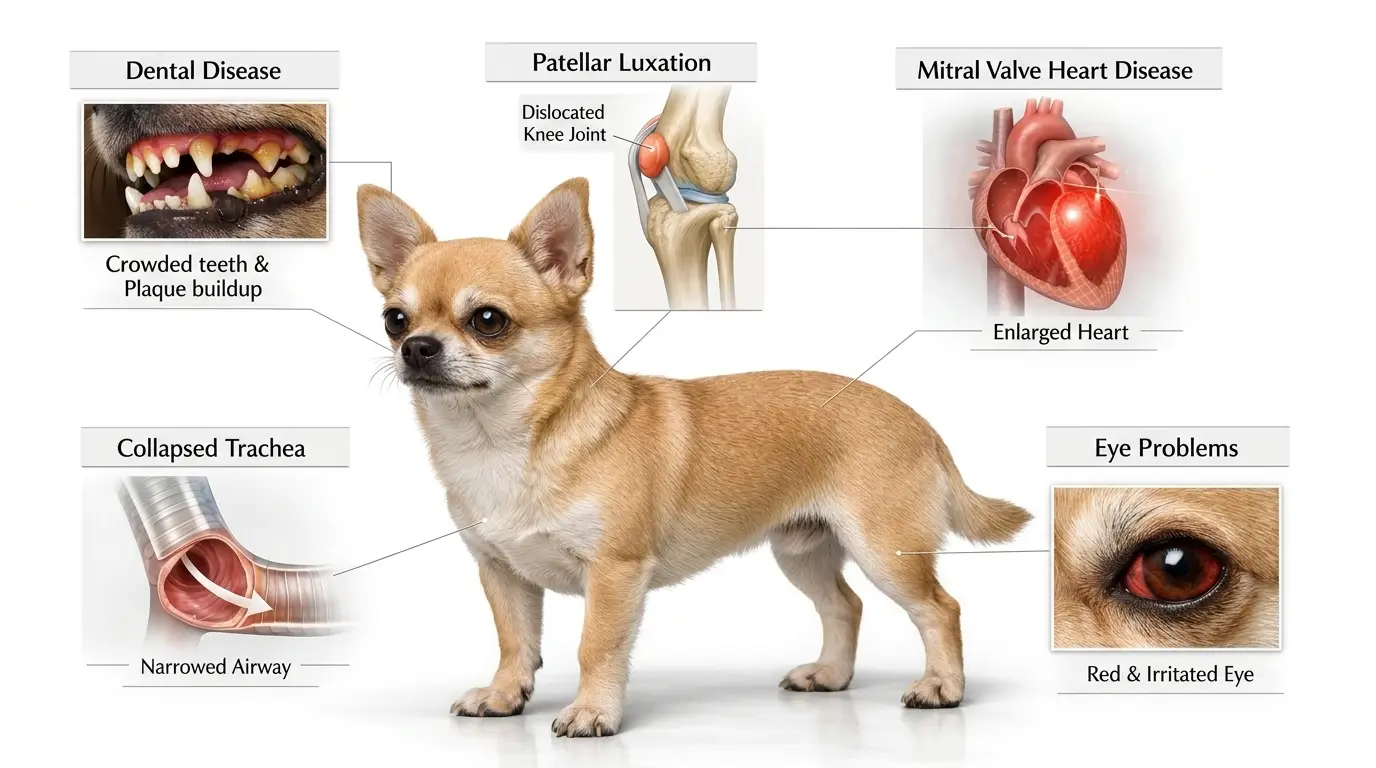
When owners search for common health problems with Chihuahuas, they are usually looking for the conditions veterinarians see most often. Across clinical practice, three health concerns appear consistently in this breed: dental disease, patellar luxation, and mitral valve disease.
Dental disease develops because tooth crowding allows plaque to accumulate beneath the gumline. As bacteria multiply, gum inflammation progresses to periodontal disease, which can eventually affect bone structure and even spread bacteria into the bloodstream. Patellar luxation occurs when the kneecap slips out of position due to shallow joint anatomy. Early signs may include brief skipping, but repeated instability leads to joint inflammation and long-term arthritis. Mitral valve disease, most common in senior Chihuahuas, develops when the heart valve tissue degenerates and allows blood to leak backward, placing strain on both the heart and lungs.
These three conditions form the foundation of most Chihuahua health discussions and account for a large percentage of veterinary visits in adulthood and senior years.
Dental Health
Dental disease is the most common health issue in Chihuahuas due to their small, crowded mouths. Plaque and bacteria easily build up along the gums, leading to gingivitis and, if untreated, periodontal disease that can affect the heart, kidneys, or liver.
Warning signs include bad breath, red or bleeding gums, difficulty chewing, or pawing at the mouth. Regular veterinary dental exams and professional cleanings, combined with daily brushing using dog-safe toothpaste, are essential for prevention. Maintaining dental health not only prevents pain and infection but also supports overall longevity and reduces risk of systemic health issues.
Joint Instability
Patellar luxation occurs when the kneecap moves out of its natural groove. Because Chihuahuas have delicate joint structures, even minor anatomical misalignment can create instability. In mild cases, a dog may briefly lift a leg and then resume walking normally. Over time, however, repeated displacement damages cartilage and triggers inflammation within the joint.
If left unmanaged, chronic irritation leads to arthritis and long-term discomfort. Maintaining a lean body condition is one of the most effective protective strategies. In severe cases, surgical correction may be recommended to stabilize the joint and prevent progressive degeneration.
Heart Disease
Mitral valve disease develops gradually over time. The valve between the left chambers of the heart thickens and loses flexibility, preventing it from closing completely during each heartbeat. When this happens, some blood flows backward instead of forward into circulation. That backward pressure increases fluid accumulation in the lungs, which explains why nighttime coughing is often one of the earliest warning signs.
As the condition progresses, dogs may tire more easily or show reduced tolerance for exercise. Veterinarians typically detect early heart murmurs during routine exams before symptoms become obvious. Diagnosis may involve chest radiographs or echocardiography to evaluate heart size and valve function. When identified early, medication can reduce fluid buildup and improve heart efficiency, often maintaining quality of life for many years.
Normal vs Concerning
Chihuahuas are expressive and sometimes dramatic, which can make it difficult to distinguish normal behavior from medical concern. Brief reverse sneezing, mild trembling when cold, or occasional excitement coughing can be normal. Persistent coughing, repeated fainting, continuous limping, or extreme lethargy are not.
If symptoms last longer than expected, worsen, or combine with appetite changes, professional evaluation is the safest course of action. Understanding what is normal helps owners react appropriately without unnecessary panic, while ensuring serious issues are addressed promptly.
Choosing a Healthy Chihuahua Puppy
Long-term health often begins before you bring your Chihuahua home. Responsible breeding practices significantly reduce the risk of inherited conditions.
Reputable breeders screen for patellar stability and cardiac health before breeding. They provide documentation of veterinary examinations and avoid promoting extremely small “teacup” sizes, which are often associated with higher medical risk. Puppies should appear alert, active, and well-socialized, without signs of weakness, coughing, or visible skeletal fragility.
Selecting a properly health-tested puppy lowers the likelihood of severe orthopedic and cardiac complications later in life.
Other Health Considerations
Chihuahuas may be small, but several secondary health concerns can affect their daily comfort and long-term stability. These issues are manageable when recognized early and handled consistently.
Neurological Concerns
Hydrocephalus occurs when cerebrospinal fluid accumulates within the brain’s ventricles, increasing internal pressure. In very small or improperly bred Chihuahuas, incomplete skull development may contribute to this condition. Symptoms can include poor coordination, behavioral changes, seizures, or an unusually dome-shaped head.
Diagnosis often requires advanced imaging. While not common in responsibly bred lines, awareness allows early monitoring and intervention when necessary.
Blood Sugar Instability
Hypoglycemia is most common in Chihuahua puppies due to limited glycogen storage in the liver. Because the brain relies heavily on glucose, even a short period without food can cause shaking, weakness, confusion, or collapse.
Stress, illness, or missed meals can trigger sudden drops. Puppies are especially vulnerable during growth phases. Preventive care involves feeding small, frequent meals and avoiding prolonged fasting periods. Early recognition of subtle symptoms prevents serious complications.
Airway Problems
Collapsed trachea develops when the cartilage rings supporting the windpipe weaken and flatten. This reduces airway diameter and creates airflow turbulence, producing the distinctive honking cough often associated with the condition. Excitement, obesity, and leash pressure can worsen airway irritation.
Although mild cases may be managed with weight control and medication, ongoing inflammation can narrow the airway further if left unaddressed. Using a harness instead of a collar significantly reduces strain on the trachea and is one of the simplest preventive measures owners can implement.
Eye problems
Eye problems are common in Chihuahuas due to their prominent eye structure, which makes them more exposed to environmental irritants and injury.
- Irritation from dust, wind, or debris occurs easily
- Corneal ulcers can develop from minor scratches
- Tear staining may indicate blocked ducts or sensitivity
Because their eyes sit more prominently on the skull, they lack the natural protection that deeper-set eyes provide. Even minor trauma during play or outdoor walks can lead to significant discomfort. Regular eye checks, gentle cleaning, and immediate veterinary attention for redness, squinting, or unusual discharge can prevent small irritations from turning into serious infections or vision-threatening conditions.
Weight Management

Weight Management is a critical health factor for this small breed, as even minimal weight gain can create disproportionate physical stress.
- One extra pound significantly strains joints and ligaments
- Excess weight increases cardiac workload
- Obesity accelerates arthritis and mobility decline
Maintaining proper portion sizes, avoiding excessive treats, and ensuring daily physical activity help preserve joint health, protect heart function, and extend overall lifespan.
Health Comparisons
| Health Issue | Age/Stage | Warning Signs | Prevention |
| Dental Disease | All ages | Bad breath, red gums, difficulty chewing | Brush regularly, professional cleanings |
| Patellar Luxation | Adults | Skipping, temporary limping | Maintain weight, avoid high jumps |
| Heart Disease | Senior (8+) | Fatigue, coughing, fainting | Routine exams, early medication |
| Hypoglycemia | Puppies/Small Adults | Shaking, weakness, confusion | Frequent small meals |
| Collapsed Trachea | All ages | Honking cough, wheezing | Use harness, avoid collar pressure |
| Eye Problems | All ages | Redness, discharge, squinting | Monitor eyes, prevent injury |
When to Seek Immediate Care
Because of their small size, Chihuahuas can deteriorate quickly during illness. Immediate veterinary care is necessary if you observe pale or blue gums, difficulty breathing, collapse, seizures, repeated vomiting, or sudden inability to stand. These signs indicate systemic distress and should never be monitored at home without professional guidance.
Preventive Care Plan
Chihuahua health is built through consistent daily habits. Annual veterinary exams are essential in adulthood, increasing to twice yearly after age eight. Dental hygiene should include daily brushing and professional cleanings as recommended. Maintaining ideal body weight protects both joints and heart function. Controlled portions and structured feeding schedules reduce obesity and blood sugar instability.
Using a harness during walks protects the airway, and limiting access to high furniture reduces fracture risk. Preventive care is far more effective and less costly than emergency intervention.
Are Chihuahuas Fragile?
Chihuahuas are small but not fragile. Most injuries result from environmental hazards, such as falls or rough handling. Supervision around children and larger dogs, along with preventive care, ensures their resilience and longevity.
Senior Chihuahua Health (8+ Years)
As Chihuahuas enter their senior years, preventive care becomes even more important. Although many remain active well into their teens, subtle health shifts require closer monitoring.
Annual veterinary visits may increase to twice per year to monitor heart function, kidney values, and dental health. Weight stability becomes critical, as seniors are more vulnerable to joint stiffness and cardiac strain. Some veterinarians may recommend joint-support supplements or specialized senior small-breed diets to maintain mobility and energy levels.
With attentive monitoring and minor lifestyle adjustments, senior Chihuahuas can maintain excellent quality of life for many additional years.
FAQs
What are the most common Chihuahua health problems?
The most common Chihuahua health problems include dental disease, patellar luxation, and mitral valve disease. Dental issues develop because of tooth crowding, while patellar luxation results from shallow knee joint anatomy. Mitral valve disease is age-related and affects heart efficiency. Early detection and preventive care significantly improve long-term outcomes.
What are three health issues that Chihuahuas have most often?
The three health issues that Chihuahuas have most frequently are periodontal disease, knee instability (patellar luxation), and degenerative heart valve disease. These conditions are directly linked to their small skeletal frame and toy-breed genetics. While common, they are manageable when identified early through routine veterinary exams.
How long do Chihuahuas usually live?
Most Chihuahuas live between 14 and 17 years, and some exceed 18 years with proper care. Lifespan depends heavily on dental hygiene, heart monitoring, weight stability, and injury prevention. Because they are small, even minor neglect can affect longevity, but consistent preventive care supports exceptional lifespan.
Why is my Chihuahua coughing at night?
Nighttime coughing in Chihuahuas is often associated with heart disease, particularly mitral valve degeneration. When the heart becomes less efficient, fluid pressure can increase in the lungs, triggering coughing when the dog lies down. However, airway irritation or tracheal collapse can also cause similar symptoms. Persistent coughing should always be evaluated by a veterinarian.
Are Chihuahuas prone to heart disease?
Yes, Chihuahuas are predisposed to mitral valve disease as they age. This condition develops gradually and may first appear as a heart murmur detected during routine exams. Early diagnosis allows medication to slow progression and maintain quality of life for years.
Do Chihuahuas have weak knees?
Chihuahuas are prone to patellar luxation due to their small joint structure. The kneecap may slip out of alignment, causing temporary limping or skipping. While mild cases can be managed conservatively, severe cases may require surgical correction to prevent arthritis.
Is hypoglycemia common in Chihuahuas?
Hypoglycemia is most common in Chihuahua puppies and extremely small adults. Because their liver stores limited glucose, missed meals or stress can cause blood sugar to drop quickly. Frequent, measured meals help prevent episodes, especially during the growth stage.
Are Chihuahuas fragile dogs?
Chihuahuas are not inherently fragile, but their small size makes them more vulnerable to injury from falls or rough handling. Most injuries result from environmental accidents rather than weak health. A safe home setup and supervision around larger pets significantly reduces risk.
Do Chihuahuas need special veterinary care?
They do not require unusual care, but they benefit from consistent monitoring of dental health, heart function, and joint stability. Senior Chihuahuas often need veterinary exams every six months instead of annually. Preventive care is especially important in toy breeds because small problems can escalate quickly.
Is pet insurance worth it for a Chihuahua?
Many owners find pet insurance valuable because orthopedic surgery, dental procedures, and long-term heart medication can be costly. Purchasing insurance while the dog is young increases coverage options and reduces financial stress if unexpected medical issues arise.
Final Thoughts
Chihuahua health is best approached with awareness, preparation, and consistency. Dental care, weight management, joint protection, and heart monitoring prevent most complications. With intentional daily care, Chihuahuas often live long, energetic, and happy lives well into their late teens. Small in size, but capable of extraordinary longevity with smart, proactive care.