
Feeding a Chihuahua requires precision, deep understanding, and careful attention to their unique physiology. Proper Chihuahua feeding is essential because these tiny dogs have small stomachs, rapid metabolisms, and highly sensitive blood sugar regulation, making standard feeding practices for larger breeds unsuitable. Even slight overfeeding or underfeeding can lead to weight gain, hypoglycemia, digestive issues, or loss of muscle tone, making accurate portion control and balanced nutrition critical for their overall health, while deficiencies in essential nutrients may compromise long-term health. For expert owners who prioritize longevity and optimal health, understanding exact caloric needs, nutrient balance, feeding frequency, and life-stage adjustments is essential.
The Chihuahua is one of the world’s oldest and most recognized toy dog breeds, with roots tracing back to ancient Mexico. Historical records indicate that small companion dogs resembling modern Chihuahuas were kept by the Toltec civilization over a thousand years ago. The breed received formal recognition when it was registered by the American Kennel Club (AKC) in 1904, establishing standards for size, coat type, and temperament. Today, Chihuahuas are acknowledged by leading canine authorities, including the AKC and the American Veterinary Medical Association (AVMA), as a distinct, purebred toy breed valued for their energy, loyalty, and longevity. Understanding this historical and genetic context is essential for owners, as it informs proper feeding strategies, nutritional requirements, and breed-specific health considerations, ensuring a Chihuahua’s long-term wellbeing.
Chihuahua Metabolism
Chihuahuas have an unusually high energy-to-body-mass ratio due to their small size and high surface-area-to-volume ratio. This anatomical trait increases heat loss, requiring a faster metabolism to maintain core body temperature. Additionally, their limited glycogen stores and fat reserves mean even short fasting periods can quickly trigger hypoglycemia. Puppies are particularly vulnerable, with low blood sugar manifesting as tremors, weakness, lethargy, or seizures. Their tiny stomachs also restrict meal volume, so energy must be delivered in small, frequent, and nutrient-dense portions to meet metabolic demands without causing discomfort or digestive upset.
Precision in feeding is crucial for Chihuahuas. Minor miscalculations in caloric intake can disproportionately affect their weight, energy levels, and overall metabolic balance. Monitoring energy expenditure and adjusting meal frequency accordingly is key to maintaining optimal health in these toy breeds.
Nutritional Needs
Given their high metabolism and limited energy reserves, Chihuahuas require a diet that is dense, digestible, and well-balanced. Meals should provide adequate:
- Protein – supports lean muscle maintenance and tissue repair, crucial for small breeds with limited muscle mass.
- Fats – concentrated energy sources help sustain high metabolic rates without requiring large meal volumes.
- Micronutrients – essential vitamins and minerals (calcium, phosphorus, zinc, biotin, vitamins A, D, E, and essential fatty acids) support bone health, immunity, organ function, and skin/coat condition. Scientific calculation of caloric needs can guide portioning and feeding schedules:
- Resting Energy Requirement (RER): 70 × (body weight in kg)^0.75 kcal/day
- Maintenance Energy Requirement (MER): RER × activity factor (1.2–1.6 for adult sedentary to moderately active dogs)
These formulas allow for precision feeding, ensuring that each meal meets the Chihuahua’s metabolic demands without overfeeding or underfeeding. Small, frequent meals of nutrient-dense food are ideal, especially for puppies and seniors, to prevent hypoglycemia and maintain long-term health.
Core Feeding Principles
Chihuahuas require a nutritionally complete and balanced diet. Macronutrient priorities include:
- Protein (24–32% of dry matter): Maintains lean body mass, supports tissue repair, and sustains metabolic function.
- Fats (12–20% of dry matter): Provides energy in small volumes, supports skin and coat health, and aids absorption of fat-soluble vitamins.
- Digestible carbohydrates: Supply steady glucose, preventing hypoglycemic episodes.
- Vitamins and minerals: Essential for bone health, immune function, and enzymatic processes; includes calcium, phosphorus, zinc, biotin, and vitamin A.
- Omega fatty acids (EPA/DHA): Support skin, coat, and cognitive function.
Balanced feeding avoids nutrient deficiencies and reduces the risk of obesity or metabolic stress. Precision in portioning and frequency is as important as nutrient content.
Life-Stage Feeding Guidelines
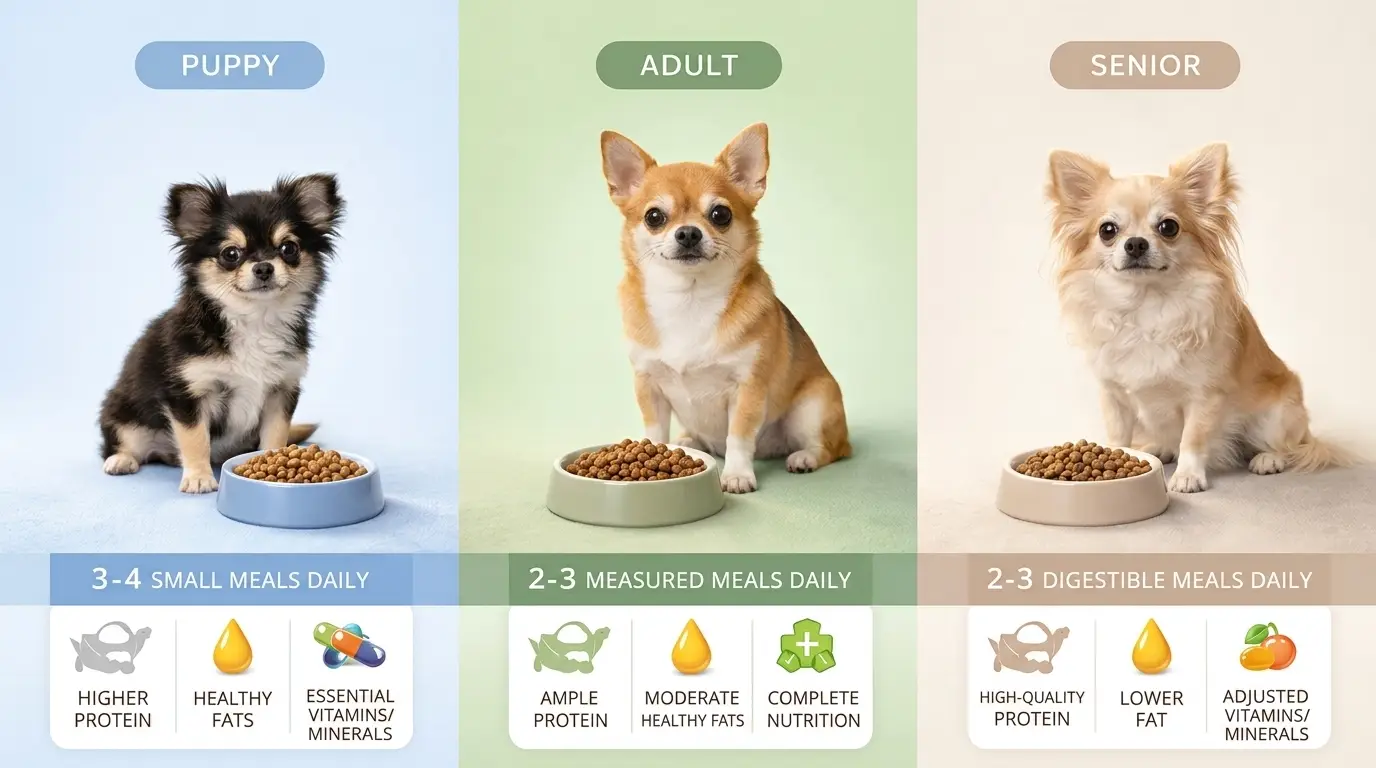
Puppy Feeding
Chihuahua puppies require frequent small meals (3–4 per day) to support growth and prevent hypoglycemia. Optimal protein is 28–32%, fat 14–20%, and energy density should match growth needs. Adequate calcium-to-phosphorus ratio (1.2–1.4:1) prevents skeletal abnormalities. Puppies benefit from small-breed puppy formulas, and human food supplementation should be minimal and balanced, limited to safe proteins and vegetables.
Adult Feeding
Adult Chihuahuas require 2–3 meals daily, with caloric intake adjusted to activity level. Protein 24–28%, fat 12–18%, and moderate carbohydrates meet maintenance needs without causing weight gain. Wet food can enhance palatability or hydration, but total daily calories must be recalculated if combining wet and dry foods. Monthly weight checks and body condition scoring ensure optimal health.
Senior Feeding
Senior Chihuahuas may require slightly reduced calories due to decreased activity but still need highly digestible protein to preserve muscle. Meal frequency can remain 2–3 times per day, with softer kibble or wet food as needed for dental considerations. Nutritional adjustments may include antioxidants, joint-support nutrients, and omega fatty acids to support cognition, mobility, and coat health.
Feeding Frequency and Portioning
Frequent, measured meals stabilize blood glucose and support consistent energy levels. Expert owners follow these general guidelines:
- Puppies (up to 6 months): 3–4 small meals/day
- Adults (6 months–8 years): 2–3 meals/day
- Seniors (8+ years): 2–3 smaller meals/day
Using gram scales and calculated calorie targets prevents overfeeding or underfeeding. Avoid free-feeding, which leads to obesity, digestive irregularity, and metabolic imbalance.
Safe Foods Beyond Commercial Diet
Expert owners may supplement a balanced commercial diet with nutrient-rich, safe human foods, but always in moderation and with careful portioning to maintain nutritional balance. Recommended safe options include:
Proteins: Plain cooked chicken, turkey, or lean beef without seasoning, sauces, or skin. These are highly digestible, provide essential amino acids for lean muscle maintenance, and support overall metabolic function.
Carbohydrates: Plain white or brown rice or small amounts of cooked pumpkin can provide gentle, digestible energy sources and fiber to support digestive health. Rice can help during mild gastrointestinal upset, while pumpkin can aid stool consistency.
Vegetables: Steamed carrots, green beans, or zucchini in small portions provide fiber, antioxidants, and micronutrients without overwhelming the tiny Chihuahua stomach.
Occasional fruits: Small portions of safe fruits such as blueberries or apple slices (without seeds) can be offered as treats, providing antioxidants and vitamins, but should never exceed 10% of daily caloric intake.
Foods to Avoid Due to Toxicity or Gastrointestinal Risk
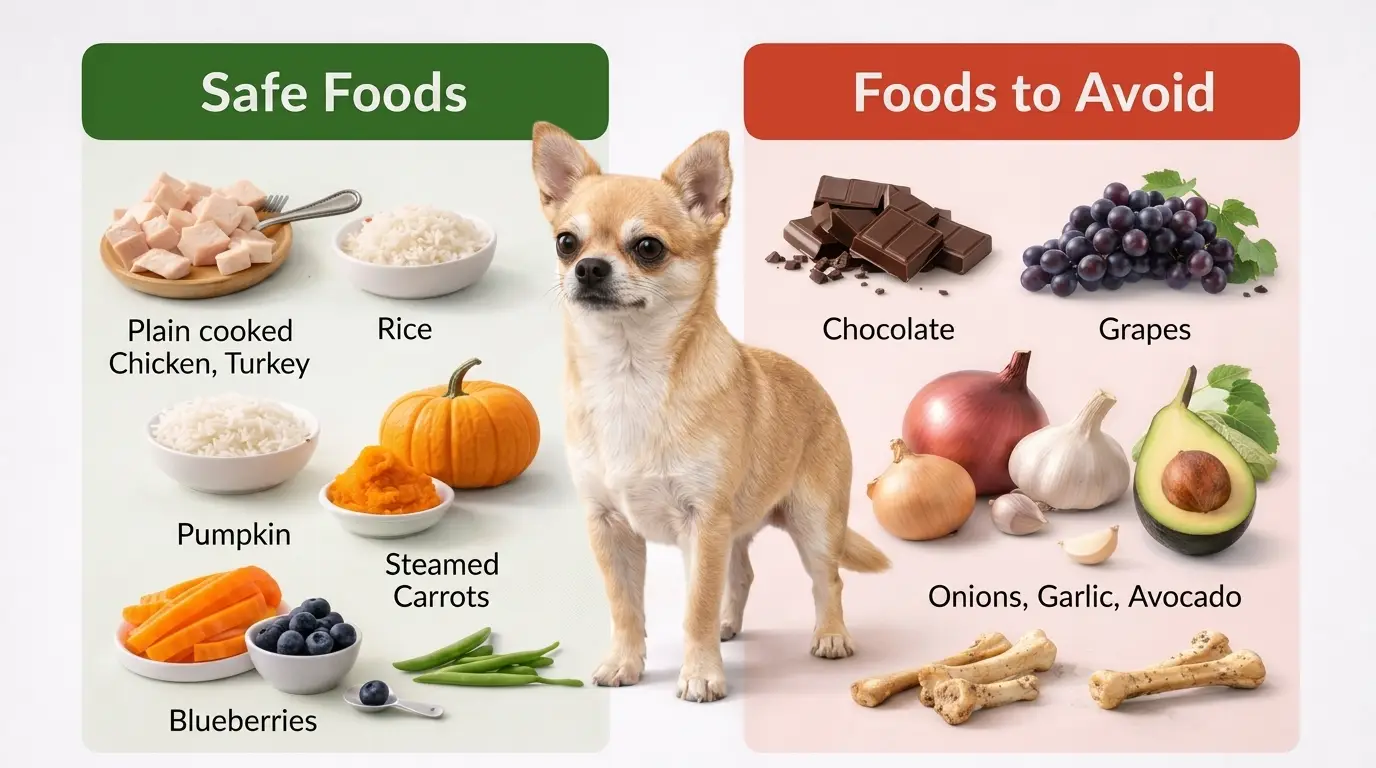
Chihuahuas are highly sensitive to certain foods, and even small amounts can cause serious health problems. Foods that must be strictly avoided include:
Toxic foods: Grapes and raisins can cause kidney failure, chocolate contains theobromine which can trigger heart arrhythmias or seizures, and xylitol (common in sugar-free gum or candies) can induce rapid hypoglycemia and liver failure.
Digestive hazards: Onions, garlic, and leeks can lead to hemolytic anemia, avocado pits or skins may cause gastrointestinal blockage or toxicity, and cooked bones can splinter, causing choking, mouth injury, or intestinal obstruction.
By avoiding these foods and carefully monitoring safe supplements, owners can prevent potentially life-threatening complications while maintaining a nutritionally balanced, expert-level feeding regimen.
Weight Management and Body Condition
Even slight weight fluctuations in a Chihuahua are significant. Obesity increases joint stress, cardiac workload, and tracheal collapse risk, while underfeeding can precipitate muscle loss and hypoglycemia. Owners use body condition scoring:
- Visible waist from above
- Slight abdominal tuck from the side
- Ribs palpable without excess fat
Calorie adjustments, measured portions, and safe exercise (indoor play, short walks) are key for weight stability.
Common Feeding Mistakes
Even experienced owners can make errors:
- Inaccurate measurement: Cups vary; scales are recommended.
- Excessive treats: Often unnoticed calories surpass daily needs.
- Human food supplementation: Can introduce inappropriate fats, salts, or carbohydrates.
- Failure to adjust for age/activity: Reduced caloric requirements are often ignored.
- Ignoring label differences: Not all “small-breed” foods meet the same nutrient standards.
Monitoring, record-keeping, and adherence to calculated portions are required for expert-level care.
Wet vs Dry Food Considerations
Dry kibble supports portion control, consistent nutrient delivery, and mechanical dental cleaning, while wet food offers palatability, hydration, and ease for seniors. A combination approach is recommended, adjusting total calories to prevent overfeeding. The key is nutritional completeness and consistency, not format preference.
Sample Feeding Plan Table
| Life Stage | Weight (lbs) | Calories/Day | Meals/Day | Portion per Meal (grams) | Notes |
| Puppy | 2–4 | 120–200 | 3–4 | 20–30 | Small-breed puppy formula, high protein/fat |
| Puppy | 4–6 | 200–300 | 3–4 | 30–45 | Monitor growth, prevent hypoglycemia |
| Adult | 2–4 | 120–200 | 2–3 | 20–30 | Maintenance formula, monitor body condition |
| Adult | 4–6 | 200–300 | 2–3 | 30–45 | Adjust for activity level |
| Senior | 2–4 | 100–180 | 2–3 | 18–28 | High digestibility, softer food if needed |
| Senior | 4–6 | 180–260 | 2–3 | 28–40 | Include joint/cognitive support nutrients |
When to Consult a Veterinarian
Seek veterinary advice if you observe:
- Sudden weight loss or gain
- Persistent vomiting or diarrhea
- Refusal to eat for >24 hours
- Tremors, lethargy, or hypoglycemic episodes
Routine wellness visits allow weight monitoring, lab assessments, and life-stage diet adjustments, preventing serious metabolic complications.
Frequently Asked Questions
What do Chihuahua dogs eat daily?
Chihuahuas require a balanced diet formulated for small breeds, typically consisting of high-quality dry or wet food that meets all macronutrient and micronutrient requirements. Fresh protein or vegetables can be added as supplements but should not replace the core diet. Portioning must be precise because their small size means even small errors in calorie calculation can lead to weight changes or metabolic stress.
How much to feed a Chihuahua per day?
Daily caloric needs vary by weight, age, and activity level. For example, a 3-pound adult Chihuahua generally needs 120–200 calories per day, split into 2–3 meals. Owners should weigh food portions and adjust based on monthly body condition assessments, avoiding guesswork and using feeding scales for accuracy.
Can Chihuahuas eat chicken, rice, or vegetables?
Yes, plain cooked chicken, turkey, or lean beef are excellent protein sources. Plain white or brown rice can be offered as a mild carbohydrate, especially during digestive upset, while vegetables like steamed carrots, green beans, or pumpkin provide fiber and micronutrients. All additions should be unsalted, unseasoned, and limited to about 10% of daily caloric intake.
How often should I feed my Chihuahua?
Meal frequency depends on life stage. Puppies benefit from 3–4 small meals per day to stabilize blood glucose and support rapid growth, while adult Chihuahuas usually thrive on 2–3 meals daily, and seniors may maintain the same frequency with smaller portions. Consistent timing helps prevent hypoglycemia and maintains energy balance.
Is wet or dry food better for Chihuahuas?
Both can be suitable depending on health and preference. Dry kibble supports dental health, consistent nutrient delivery, and portion control, while wet food can improve palatability, hydration, and ease of chewing, especially for seniors. A combination approach is often ideal, but total caloric intake must remain within the calculated daily requirements.
What is the best diet for a Chihuahua puppy?
Chihuahua puppies require high-protein, high-fat, small-breed puppy formulas with sufficient caloric density to support growth. Frequent small meals prevent hypoglycemia and support lean muscle development. Avoid adult formulas during growth, as they often lack the necessary nutrients and calorie density for healthy development.
How do I manage Chihuahua weight gain?
Weight management involves precise portioning, daily calorie tracking, and activity monitoring. Treats should not exceed 10% of total daily calories, and human food supplementation must be minimal. Regular weight checks, body condition scoring, and exercise such as short indoor play or leash walks help maintain healthy weight and prevent obesity-related conditions like joint stress and tracheal collapse.
Are grain-free diets safe for Chihuahuas?
Grain-free diets can be appropriate for dogs with confirmed grain allergies, but most Chihuahuas tolerate moderate grains well. Some grain-free formulas have been associated with dilated cardiomyopathy in certain cases, so consultation with a veterinarian is essential before making the switch. The focus should always be on complete, balanced nutrition rather than excluding grains unnecessarily.
Can Chihuahuas eat human food safely?
Certain human foods like plain cooked chicken, rice, and select vegetables are safe in moderation. However, many human foods are too high in fat, salt, or contain toxic compounds, such as onions, garlic, or chocolate. Human food should only supplement—not replace—balanced commercial diets, and owners should track caloric contributions carefully.
What vitamins and minerals are essential for Chihuahuas?
Essential micronutrients include calcium, phosphorus, zinc, biotin, vitamins A, D, and E, and omega-3/6 fatty acids. These support bone health, immune function, skin and coat condition, and enzymatic activity. Deficiencies can lead to skeletal issues, poor coat quality, or immune compromise, highlighting the importance of complete, balanced commercial diets or veterinary-guided supplementation.
How can I prevent hypoglycemia in Chihuahua puppies?
Preventing hypoglycemia requires frequent, small meals and calorie-dense, high-protein food. Avoid long fasting periods, monitor energy levels, and be attentive to early signs like trembling or lethargy. For at-risk puppies, keeping glucose supplements or a small snack available during long gaps can prevent dangerous drops in blood sugar.
What is the ideal body condition for adult Chihuahuas?
An adult Chihuahua should have a visible waist from above, slight abdominal tuck from the side, and ribs that are easily felt but not protruding. Both overweight and underweight conditions increase health risks, including joint stress, cardiac strain, or hypoglycemia. Regular monthly assessments allow owners to adjust portions and activity proactively.
Can I safely supplement commercial food with fresh meals?
Yes, but supplementation should be carefully measured to maintain nutrient balance and avoid exceeding caloric needs. Safe proteins, vegetables, and limited carbs can enhance palatability and nutritional diversity. Always avoid foods that are toxic or high in fat, and ensure supplementation does not replace the majority of the commercial, balanced diet.
Conclusion
Feeding a Chihuahua requires precision, knowledge, and consistent monitoring. Proper portion control, life-stage-specific nutrition, safe supplementation, and regular weight checks ensures optimal health, longevity, and quality of life. By applying these expert strategies, owners can proactively manage weight, metabolism, and overall well-being, turning daily feeding into a scientifically informed, proactive practice that supports long-term vitality.